When my parents included me in their annual trip abroad, Mr. Myron T. Herrick was the United States Ambassador to France. They had been invited to an intimate cocktail reception at the Embassy and, with a new Chanel dress my mother had ordered tailored for me when we first arrived in Paris, I was included.
When we were together, my mother and I spoke French, but not in front of Father who barely understood the language. At the embassy, I was delighted to be introduced as the young lady with a perfect accent and fluent in both languages. Mr. Herrick shook my hand and then decided to test me. I passed with flying colors and was presented to an attractive older French couple who graciously helped me understand the appreciation the French had for American soldiers. “They came and risked their lives to help us defeat the Germans.” Acknowledging my age, they were careful not to be too graphic. I could sense, however, just looking at the furrows in their faces and the way they clenched their hands, they had been subjected to such nightmarish things as I could not begin to understand.
Meanwhile, Mr. Herrick was describing an event that had made a lasting impression on him. His audience was in rapt silence so we walked over to listen.
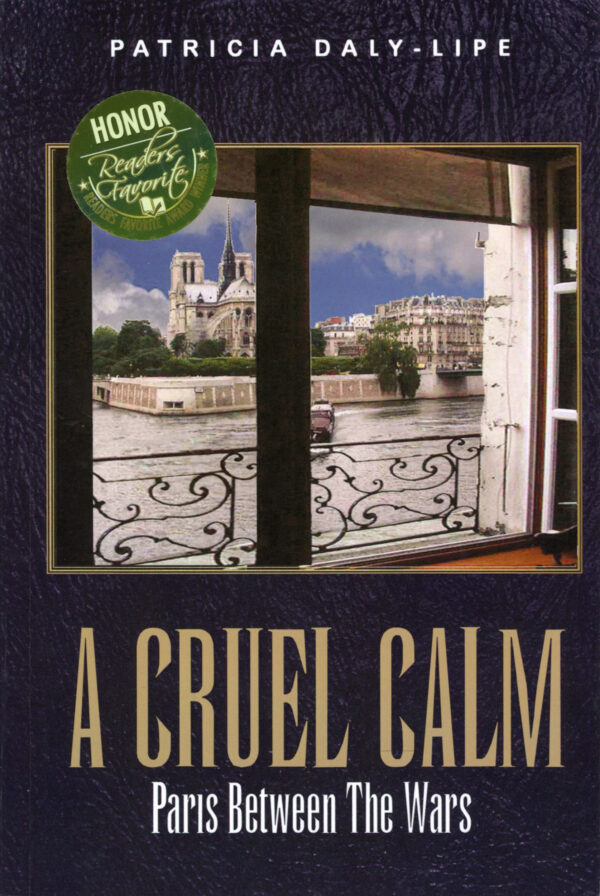
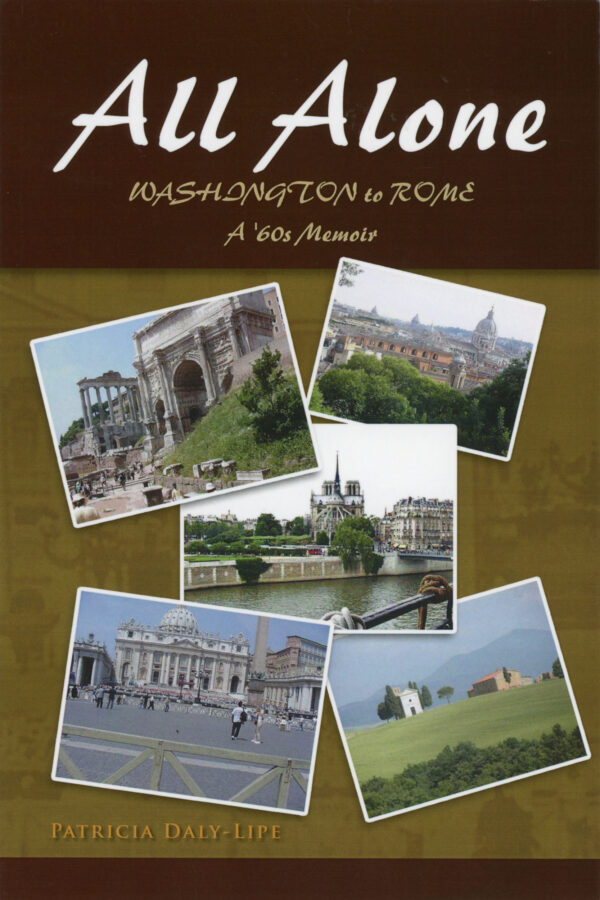
“A great harvest moon was rising over the city near Notre Dame. It seemed to rest on the corner of the façade of the Cathedral. The French flag was blowing steadily across the face of the moon. In the fleeting moments while this spectacle lasted, people knelt on the quay in prayer.”
“An extremely powerful image,” my father said. He paused and then asked, “Why were the people praying?”
“I was wondering myself,” the Ambassador replied. “There is an ancient prophecy that says the fate of France will finally be settled upon the fields where Attila’s horde was halted and driven back and where many battles in defense of France have been won. It was explained to me that the people were pointing to the French flag outlined across the moon because it was the sign in heaven. It meant the victory of French arms. The prophecy of old, they believed, had come true and France would once again be saved on those chalky fields.”
I could feel chills run down my spine and, looking at others in the room, I was not the only one to react that way. As Mr. Herrick walked away to welcome new guests, the gentle old Frenchman I had been conversing with whispered, “Who would live, my child, if the future were revealed to him? When a single anticipated misfortune would give us so much uneasiness? When the foreknowledge of one certain calamity would be enough to embitter every day that precedes it? I think,” he continued wistfully, “it is better not to pry, even into the things which surround us. Heaven, which has given us the power to foresee our necessities, has also given us those very necessities to set limits to exercise that power.” His words were confusing, but the way he spoke belied pain and anguish.
His wife put her arm around the dear man. A tear fell down her cheek. “Libby, my child, I don’t think you know. We lost our son in the war. He would have been your age when he died.”
These people had been through such misery. Listening to their stories brought to mind the images of war I had seen while walking the streets of Paris. Sights like the remnants of buildings, once private homes, now reduced to pieces and parts that had been blown up. Or the holes from bullets wedged into cement walls that lined the boulevards.
I began to recognize that my life in Washington was almost too perfect. We had never run from bombs flying through the air or listened to breaking glass as bullets riddled windows with holes just above our heads. No one in our family had been lost or injured from battle. Exposure to these calamities and their influence in people’s lives made me realize how much I needed to learn about life. |